Advertisements
Top weekly article
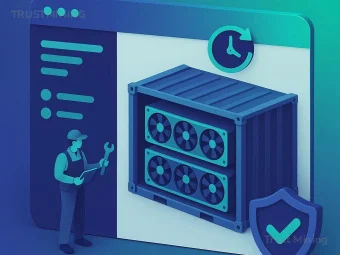




A validator node is the software and hardware infrastructure used by a validator to participate in blockchain consensus. It normally includes a server, blockchain software, network connectivity, and cryptographic keys required to sign protocol messages.
The node must maintain an up-to-date state of the blockchain, process incoming data, and perform the operations required by the protocol. Depending on the network, a validator may propose blocks, vote on other proposals, or participate in finalization.
Infrastructure requirements
- sufficient CPU and memory resources;
- stable and adequate network connectivity;
- sufficient storage capacity;
- reliable power and appropriate redundancy;
- availability and performance monitoring;
- secure key storage;
- regular software updates.
Node availability is particularly important because some protocols reduce rewards or impose penalties when validators fail to perform required duties. More serious violations can result in slashing.
Unlike an ordinary full node, a validator node does more than maintain and verify network state: it performs additional consensus-related functions. The exact requirements depend on the blockchain.
Popular models

Brands


Aisen

iPollo

Bitdeer

ElphaPex

Heatbit

Jasminer

Ebang

Todek

Canaan

Braiins

VolcMiner

Bitfily

Baikal

StrongU

MicroBT

Lucky Miner

Innosilicon

IceRiver

Hummer Miner

Auradine

Goldshell

Bitaxe

FusionSilicon

ForestMiner

Bolon Miner

Dayun

Holic

Digital Shovel

Pantech

BW

Bitfury

Spondoolies

PinIdea

Obelisk

DragonBall Miner

FFMiner

GMO miner

Halong Mining