Advertisements
Top weekly article
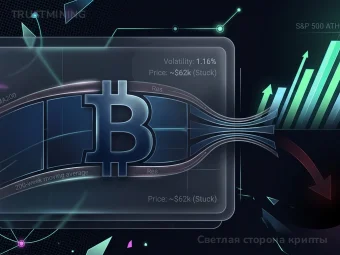

Светлая сторона крипты
Ветры зимы в криптосфере
Почему биткоин застрял на месте, пока фондовый рынок бьет рекорды




A halving is a protocol-defined event in which a specified component of the reward for producing a block is reduced, often by approximately one half.
The term is especially associated with Bitcoin, where the block subsidy is periodically reduced. Because the subsidy is a source of new issuance, a halving reduces the rate at which new coins enter circulation.
Halving and mining
For miners, a halving directly changes mining economics. If the coin price, fees, and other parameters remain unchanged, a lower subsidy reduces revenue per successfully mined block.
Miners can offset part of the effect through changes in asset price, transaction fees, hardware efficiency, electricity costs, or operating conditions. The impact on an individual mining operation therefore depends on its cost structure and other variables.
Halving and supply
A halving does not destroy existing coins. It changes the future rate of issuance. It should therefore be distinguished from a token burn, which removes existing units from supply.
Popular models

Brands


Fluminer

ElphaPex

Ebang

Canaan

Todek

Bitdeer

iPollo

Baikal

StrongU

VolcMiner

MicroBT

Lucky Miner

Jasminer

Auradine

Innosilicon

IceRiver

Hummer Miner

Holic

Heatbit

Goldshell

FusionSilicon

Bitaxe

Bitfily

Digital Shovel

Dayun

Bolon Miner

Braiins

BW

Halong Mining

Bitfury

Spondoolies

PinIdea

Pantech

Obelisk

DragonBall Miner

FFMiner

ForestMiner

GMO miner