Advertisements
Top weekly article
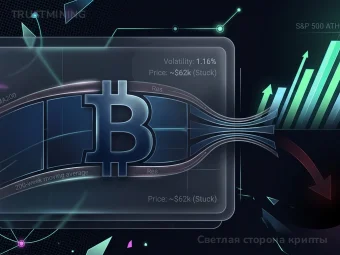

Светлая сторона крипты
Ветры зимы в криптосфере
Почему биткоин застрял на месте, пока фондовый рынок бьет рекорды




Block reward is the total income received by a network participant for creating and having a new block accepted by the blockchain. Depending on the rules of a particular network, it may consist of several components.
What the Reward Consists Of
The most common structure includes:
- block subsidy — the amount of new coins created by the protocol;
- transaction fees — amounts associated with transactions included in the block.
These components may have different economic significance depending on the specific blockchain and the current activity of its users.
Subsidy and Fees
The block subsidy is determined by the protocol rules. In some networks, it gradually decreases according to a predefined schedule. The fee component depends on user activity and demand for transaction inclusion.
The reward is recorded through a special Coinbase Transaction.
Impact on Mining Profitability
The size of the reward is directly related to the economics of mining. With unchanged computational power, a reduction in the reward decreases expected income if all other parameters remain unchanged.
However, actual profitability depends not only on the size of the reward. Network difficulty, total hashrate, electricity cost, pool fees, and the market value of the coins received must also be considered.
Popular models

Brands


Fluminer

ElphaPex

Ebang

Canaan

Todek

Bitdeer

iPollo

Baikal

StrongU

VolcMiner

MicroBT

Lucky Miner

Jasminer

Auradine

Innosilicon

IceRiver

Hummer Miner

Holic

Heatbit

Goldshell

FusionSilicon

Bitaxe

Bitfily

Digital Shovel

Dayun

Bolon Miner

Braiins

BW

Halong Mining

Bitfury

Spondoolies

PinIdea

Pantech

Obelisk

DragonBall Miner

FFMiner

ForestMiner

GMO miner